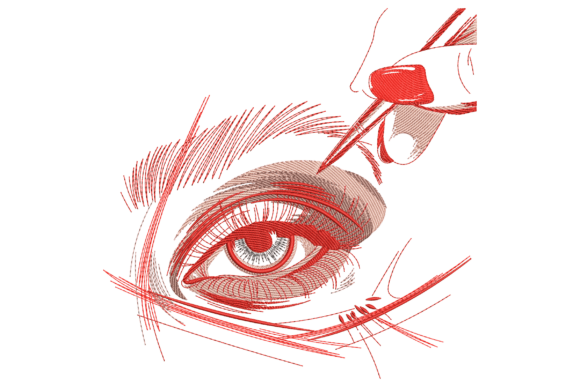
Eye with Tweezers: A Designer's Review for Real Projects
When I first opened the file for Eye with Tweezers, my initial reaction wasn't about the stitch count or the file format. It was about the vibe. In a sea of generic floral patterns and standard logos, this design immediately stood out as something with personality. As an experienced designer who spends hours evaluating machine embroidery designs before putting them into production, I look for that spark of character. This piece delivers exactly that: a quirky, slightly mischievous charm that feels perfect for modern handmade goods.
The concept is simple yet effective—a stylized eye paired with a pair of tweezers. It taps into the beauty aesthetic without feeling overly clinical or sterile. Instead, it feels like a nod to self-care, grooming, and the little rituals we all perform. For anyone running a small shop on Etsy or preparing inventory for a craft fair, this design offers a unique opportunity to create products that stand out in a crowded marketplace. It is not just a graphic; it is a statement piece that adds immediate visual interest to any fabric surface.
Real-World Application: The Tote Bag Scenario
To truly understand how this design performs, I like to imagine it in a specific context. Let's say you are preparing a custom order for a local boutique owner who sells organic skincare and beauty tools. They need a set of branded tote bags that aren't boring canvas sacks but actual conversation starters. This is where Eye with Tweezers shines.
Imagine stitching this onto a sturdy cotton canvas tote. The juxtaposition of the eye and the tool creates a focal point that draws the eye (pun intended) immediately. It suggests precision and care, which aligns perfectly with the brand values of a beauty business. Unlike a large, complex landscape scene that might get lost on a bag, this compact design fits comfortably within a standard hoop size while still maintaining its integrity. When a customer pulls this bag out at a coffee shop, it signals that the maker has thought about details. It elevates the perceived value of the finished product from a simple utility item to a curated accessory.
This same logic applies to other apparel projects. Picture a soft sweatshirt for a makeup artist or a barber. The design works beautifully as a chest logo or even centered on the back. It transforms a basic garment into personalized gear that professionals actually want to wear. The whimsical nature of the tweezers makes it approachable, avoiding the stiffness often associated with professional branding.
Where the Design Excels in Embroidery Projects
One of the strongest aspects of this design is its versatility across different categories of embroidery. It is not limited to just one type of fabric or product. Here is how I see it performing in various real-life scenarios:
- Home Decor: Imagine this stitched onto a high-quality tea towel in a kitchen. It adds a fun, unexpected touch to a space that usually relies on traditional patterns. It could also work wonderfully on a pillow cover for a nursery or a guest room, adding a playful element to the decor.
- Baby Items: Parents love unique gifts. A onesie or a receiving blanket featuring Eye with Tweezers would be a hit for a baby shower. The theme is gentle enough for infants but distinct enough to show creativity.
- Holiday Gifts: During the holidays, people look for gifts that feel personal. This design is ideal for creating custom aprons for cooking enthusiasts or patches for denim jackets. It serves as a great conversation starter during holiday gatherings.
- Commercial Merchandise: For digital product sellers, this design can be used in printable mockups to showcase clothing lines. It helps visualize how a final product will look, making it easier to sell the concept to clients before a single stitch is made.
Technical Considerations and Fabric Choices
While the concept is strong, a good designer knows that execution is everything. Before you rush to embroider fifty units for a client, there are practical factors to consider regarding stitch density, thread colors, and the base material.
The design features fine details, particularly around the tweezers and the eyelashes. If you are working with a very small hoop size, you must ensure the machine can handle the resolution without losing definition. Thick threads might make the fine lines muddy, so selecting the right thread weight is crucial. I recommend testing the design on scrap fabric first to see how the satin stitch behaves on your specific material.
Fabric texture plays a massive role in the final look. On smooth fabrics like cotton twill or poplin, the design will appear crisp and clean. However, if you attempt this on a heavily textured fabric like a thick fleece or a bouclé knit, the details might get lost in the weave. Similarly, stretchy fabrics require careful stabilizer usage. Without proper backing, the tension from the stitches could cause the fabric to pucker, ruining the alignment of the eye and tweezers.
Dark fabrics present another challenge. To make the design pop, you will likely need a lighter thread palette or a contrasting underlay. If you choose dark threads on a black shirt, the design might disappear entirely unless you use a high-density fill or a specific color strategy. Always check your design assets to see if they include options for different background colors.
Design Pitfalls to Avoid
There are certain situations where Eye with Tweezers might not be the best choice. If you are working on curved surfaces like baseball caps, the distortion of the curve can alter the shape of the eye, potentially making it look asymmetrical. While skilled digitizers account for this, it requires extra caution.
Additionally, avoid using this design on items that will undergo frequent, harsh washing, such as industrial work uniforms or heavy-duty cleaning rags. The detailed areas might fray over time if the stitch density isn't optimized for durability. For delicate items like silk scarves, the weight of the embroidery might be too heavy, causing the fabric to sag. In these cases, a lighter running stitch variation or a smaller version of the design would be more appropriate.
Making the Right Choice for Your Business
For Etsy sellers and small business owners, the decision to use a specific design often comes down to brand consistency and customer trust. Eye with Tweezers conveys a sense of professionalism mixed with creativity. It tells the buyer that the maker pays attention to aesthetics and quality.
When you list a product online, the visual appeal of the embroidered detail is what converts browsers into buyers. A well-executed design builds confidence in your craftsmanship. Customers are willing to pay a premium for items that look polished and intentional. By choosing a design with a clear personality like this one, you differentiate yourself from sellers who use generic clipart or low-quality scans.
Before committing to a full production run, I strongly advise reviewing the licensing terms. Ensure that you have the rights to use the design for commercial purposes if you plan to sell the finished goods. Some digital embroidery files are restricted to personal use only, which can lead to legal issues down the line. Confirming these details upfront saves headaches later.
Ultimately, Eye with Tweezers is more than just a pattern; it is a tool for expression. Whether you are creating a personalized gift for a friend or building a catalog of boutique products, this design offers a versatile foundation for your creative vision. It reminds us that embroidery is not just about covering fabric with thread, but about telling a story through texture and form. With the right preparation and attention to detail, this design can become a standout addition to your portfolio.