Fluffy Bunny Cuteness: A Designer's Real-World Review
As a designer who spends more time with hoops and needles than sitting at a desk, I approach every new embroidery file with a mix of excitement and skepticism. The market is flooded with digital assets, but finding one that actually translates well from screen to fabric requires a keen eye for detail. Recently, I evaluated the Fluffy Bunny Cuteness design within the Woodland Animals category to see if it holds up in a real commercial setting. My goal was not just to admire the aesthetic, but to determine its viability for high-volume production, boutique branding, and personalized gifts.
The First Impression: Mood and Visual Personality
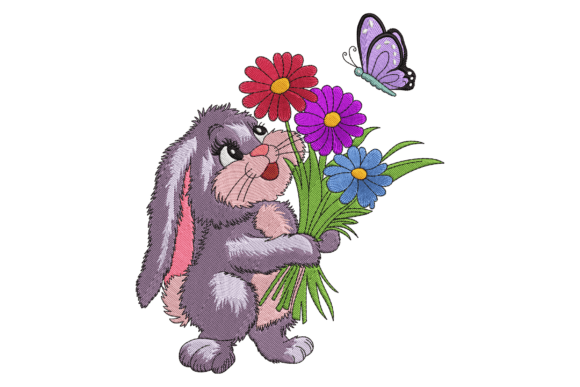
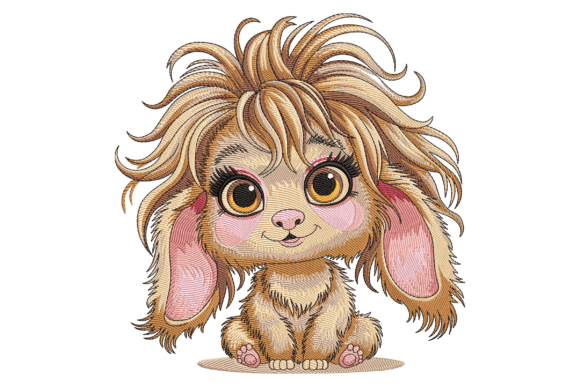
When you first open the file for Fluffy Bunny Cuteness, the immediate takeaway is its charm. It does not try to be edgy or overly complex; instead, it leans into a playful, whimsical vibe that resonates perfectly with the current demand for cute, approachable designs. The layout feels balanced, avoiding the cluttered look that often plagues animal-themed motifs. For an embroidery project intended to evoke warmth and joy, this design hits the mark immediately.
The visual personality suggests a product that belongs in nurseries, baby boutiques, or cozy home decor lines. It creates a mood of comfort and delight, which is exactly what customers are looking for when they purchase handmade items. Unlike some generic clip-art styles, this design possesses a distinct character that could serve as a strong focal point on a tote bag or a subtle accent on a kitchen towel.
Real-World Application: From Screen to Stitch
I put Fluffy Bunny Cuteness through its paces by simulating several common use cases. The most promising application I identified is for custom apparel, specifically sweatshirts and t-shirts. The design scales well enough to stand out on a chest pocket without overwhelming the garment. However, the true test lies in how it handles different fabric textures.
Imagine creating a line of embroidered patches or caps for a craft business. This design would work exceptionally well as a custom apparel accent on denim jackets or canvas backpacks. The quirkiness of the bunny adds a fun flair that appeals to younger demographics and parents shopping for unique gifts. In a scenario where I am preparing a personalized gift set—perhaps a baby onesie paired with a matching burp cloth—the design offers the kind of cohesive branding that elevates a simple item into a premium handmade product.
For Etsy sellers and small shop owners, this design has significant potential. It fits seamlessly into categories like holiday embroidery or seasonal decor. During the holidays, a variation of this bunny could be stitched onto tea towels or pillow covers, creating a festive yet timeless piece. The versatility extends to digital product previews as well; when used in printable mockups, the design looks clean and professional, increasing buyer engagement before the actual order is placed.
Where to Exercise Caution
While the design is charming, no single asset is perfect for every situation. As a reviewer, I must highlight where Fluffy Bunny Cuteness might struggle. If you are working with small hoop sizes, such as those used for cuff embroidery or tiny hat panels, you need to inspect the details closely. Dense stitch areas can sometimes become muddy when scaled down too much, losing the definition that makes the design cute in the first place.
Fabric choice is another critical factor. On stretchy fabrics like thin jersey, the stability of the design relies heavily on your choice of stabilizer. Without proper support, the stitch density could cause puckering, ruining the smooth lines of the bunny. Similarly, textured fabrics like heavy fleece or thick towels might hide the finer details of the running stitch or satin stitch elements. Dark fabrics present their own challenge; unless you plan to use a substantial underlay or specific thread colors, the design might lack the necessary contrast to pop against a black or navy background.
Technical Execution and Design Integrity
From a technical standpoint, the construction of Fluffy Bunny Cuteness appears solid, but it demands attention to thread colors. The success of any machine embroidery design often hinges on the color palette chosen. For this bunny, lighter threads will likely emphasize the "fluffy" aspect, while darker threads might shift the mood to something more serious. I recommend testing the design in both light and dark fabric backgrounds to ensure the visual appeal remains consistent.
If the design incorporates applique elements, the precision of the cut edges will be paramount. Even if it is purely stitched, the transition between fill stitches and outline stitches needs to be seamless to maintain a professional finish. When evaluating the finished product, customers notice these transitions. A sloppy jump stitch or a poorly executed corner can undermine the perceived value of a $50 embroidered jacket.
For those using this as a commercial embroidery asset, consistency is key. If you are producing a batch of 100 tote bags, the design must register identically on each one. This requires checking the hoop size and ensuring the fabric is centered correctly every time. The design should not rely on excessive trimming or difficult repositioning, as this slows down production and increases the risk of errors.
Practical Notes for Designers and Makers
Before committing to a large run or selling the final items, there are essential steps every maker should take. First and foremost, always test the design on scrap fabric. This allows you to gauge the stitch density and adjust tension settings if necessary. You also need to review the file for any hidden layers or unnecessary jumps that could increase stitching time and thread waste.
Inspect the small details closely. Does the bunny's ear have enough definition? Are the eyes clear, or do they merge into a blob? These micro-decisions affect the overall quality. Furthermore, confirm whether the design works for both personal and commercial projects. Many digital files come with restrictive licenses that prevent resale of finished goods. Always check the licensing terms before listing Fluffy Bunny Cuteness on Etsy or using it for small shop products.
Using proper stabilizer is non-negotiable. Whether you are working with a tote bag design or a delicate baby embroidery item, the right backing ensures the design sits flat and durable. For items that require frequent washing, like aprons or kitchen towels, a dense fill stitch provides better longevity than a sparse running stitch. Finally, compare the design in black and white mockups to ensure the shape holds up even without color, which helps in assessing the fundamental strength of the artwork.
Final Verdict on Value and Appeal
Fluffy Bunny Cuteness succeeds because it understands its audience. It delivers a sense of whimsy that is highly marketable in the current landscape of design assets for creative entrepreneurs. It is not just a picture; it is a functional tool for building a brand identity around playfulness and care. Whether you are decorating a holiday gift or launching a new line of digital embroidery files, this design offers a reliable foundation.
However, success depends on execution. The difference between a mediocre result and a best-selling item often comes down to the preparation: the choice of fabric, the quality of the stabilizer, and the patience to test before producing. If you treat this machine embroidery design with the respect it deserves, it has the potential to become a staple in your collection of embroidery project ideas. It is a design that invites interaction, brings smiles, and stands up to the scrutiny of a discerning customer looking for quality craftsmanship.