Be Kind Smiley Face: A Designer's Real-World Review
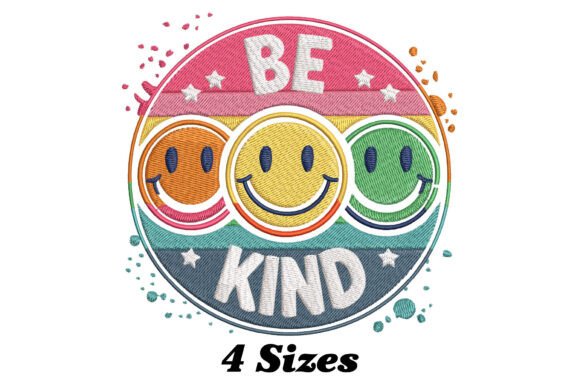
In a sea of generic digital assets, finding an embroidery design that balances simplicity with genuine character is a challenge. I recently put the Be Kind Smiley Face to the test for a client project involving custom tote bags and nursery decor. As someone who has reviewed hundreds of files for commercial use, my goal isn't just to tell you what it looks like on screen, but how it behaves under the needle and in the hands of a customer.
The first impression of this file is one of immediate approachability. The theme fits squarely into the Inspirational category, yet it avoids the cheesy, overused clichés often found in mass-produced merchandise. It feels fresh enough for a modern boutique brand while retaining the timeless appeal of a classic smiley icon. But does it hold up when translated from a vector graphic to thread? That is where the real value lies.
Real-World Application: From Screen to Stitch
I approached this review with a specific scenario in mind: creating a line of handmade aprons for a local coffee shop and preparing a batch of personalized baby gifts. The Be Kind Smiley Face needed to work on both heavy canvas and delicate cotton knits. When I loaded the file onto my machine, the layout was surprisingly forgiving. The spacing allows for breathing room, which is crucial for maintaining the integrity of the design on textured fabrics.
On a sturdy tote bag, the design shines. The central motif anchors the piece without overwhelming the canvas. For a small business owner or an Etsy seller, this is a goldmine. It serves as a perfect focal point for custom apparel or handmade products where you want to convey a message without shouting. The whimsical touch adds a layer of personality that customers immediately connect with. It transforms a standard utility item into something that feels curated and thoughtful.
When I tested it on a sweatshirt, the result was equally promising. The design scales well, whether you are placing it on the chest or the back. However, the choice of thread colors becomes critical here. On a dark fabric, the contrast needs to be sharp to ensure the "smile" pops. If you opt for a light background, the stitching clarity remains high, making it ideal for baby embroidery items like onesies or blankets where softness and legibility are paramount.
Where Caution Is Required
No single design is a magic bullet, and Be Kind Smiley Face is no exception. There are specific scenarios where you must exercise caution to avoid disappointing results. If you are working with a very small hoop size, the details might get lost. Tiny lettering or intricate curves can sometimes collapse if the stitch density is too high for the available space.
Textured fabrics present another hurdle. While the design holds up well on smooth cottons and linens, highly textured materials like bouclé or thick fleece can obscure the finer points of the stitching. In these cases, the visual impact might be diminished, turning a charming design into a muddy patch. Similarly, stretchy fabrics require a robust stabilizer strategy. Without proper support, the tension of the stitches can cause the fabric to pucker, ruining the clean lines of the smiley face.
Dense stitch areas should also be monitored. If the design includes heavy fill stitches around the eyes or mouth, you risk creating a stiff, board-like feel on garments like t-shirts or caps. This stiffness can be uncomfortable against the skin and may not lay flat on curved surfaces. For embroidered patches or aprons, this is less of an issue, but for wearable items intended for daily comfort, lighter stitch densities are generally preferred.
Visual Appeal and Customer Trust
For creative entrepreneurs and crafters, the aesthetic quality of your output directly impacts customer trust. A poorly executed design can make even the most expensive product look cheap. The Be Kind Smiley Face excels here because its simplicity ensures that the focus remains on the craftsmanship rather than fighting with complex patterns. When a customer sees a clean, well-stitched logo on a personalized gift, they perceive higher value.
This design is particularly effective for holiday embroidery projects or seasonal collections. The positive message resonates strongly during times when people are looking for connection and warmth. Whether it is used on a kitchen towel for a housewarming or a pillow cover for a nursery, the design fosters a sense of joy. It elevates the presentation of your finished product, making it Instagram-ready and shareable, which is vital for Etsy sellers and those running online shops.
However, consistency is key. If you mix this design with overly ornate fonts or clashing motifs, the professional look can suffer. It works best when paired with clean, sans-serif text or left as a standalone statement. This flexibility makes it a versatile asset for branding small shops or creating cohesive product lines.
Practical Notes for the Embroidery Designer
Before you commit to a full production run, there are essential steps every designer should take. First, always test the design on scrap fabric that matches your final material. This helps you gauge the stitch density and see how the threads interact with the weave. You need to verify that the hoop size accommodates the design without cutting off edges, especially if you plan to add text later.
Review the file structure carefully. Check if the design utilizes satin stitch for outlines and fill stitch for the body, ensuring the transitions are smooth. If the file contains running stitch details, confirm they are long enough to prevent bunching. Inspect small details like the corners of the smile; these are often the first places to fail if the resolution is low or the digitization is poor.
It is also wise to test the design in black and white mockups. This removes the distraction of color and lets you evaluate the balance and composition. Compare how it looks on light versus dark backgrounds to ensure the thread choices provide sufficient contrast. Don't forget to check the licensing terms if you intend to sell finished items or distribute the digital embroidery file as part of a package. Confirm whether the license covers commercial use for small shop products or if it is restricted to personal projects.
Finally, consider the washability of the project. Designs with dense stitching on thin fabrics may pill or fray after repeated washing. Using the proper stabilizer is non-negotiable for longevity. By taking these practical steps, you ensure that the Be Kind Smiley Face delivers the charm it promises, resulting in a high-quality embroidery project that stands out in a crowded market.