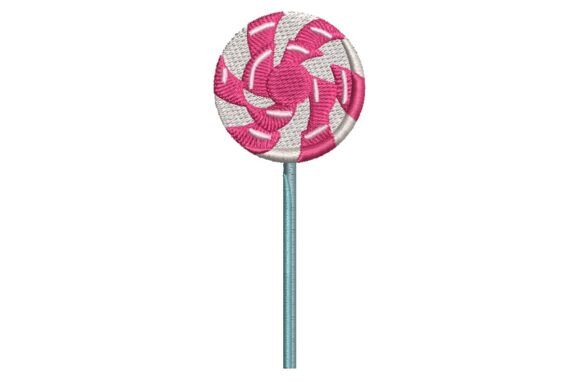
Spiral Lollipop: A Designer's Take on a Sweet Embroidery Design
When I first opened the Spiral Lollipop file, my immediate reaction wasn't about the technical specs or the stitch count. It was about the mood. There is something undeniably cheerful and nostalgic about a swirled lollipop motif. As an experienced designer who reviews embroidery files for both personal hobbies and commercial clients, I look for designs that carry personality without demanding too much of the machine. This Dessert category piece feels like it belongs in a candy shop window, but can it survive the rigors of actual production? I decided to put Spiral Lollipop through its paces to see if it holds up as a viable asset for a serious craft business.
The First Impression: Playful Yet Professional
The visual personality of this design is distinct. It isn't just a generic circle; the spiral shape suggests movement and whimsy. For an embroidery project targeting kids' clothing or party decor, this kind of energy is exactly what you want. The layout appears balanced, avoiding the cluttered look that often plagues cartoonish designs. When I imagine this stitched onto a tote bag or a baby onesie, the swirled lollipop design acts as a focal point rather than a distraction. It creates an instant sense of fun that appeals to parents looking for unique, handmade gifts. However, the success of this machine embroidery design relies heavily on how well those curves translate into thread.
Real-World Application: From Tote Bag to Boutique
Let's talk about a specific scenario. Imagine you are preparing inventory for a summer craft fair. You need a versatile item that screams "summer fun" but looks polished enough to justify a higher price point. You decide to embroider Spiral Lollipop on natural canvas tote bags. This is where the design truly shines. The contrast between the vibrant thread colors and the textured fabric of the canvas makes the swirl pop. Customers walking by the booth will stop because the design feels tactile and inviting.
I also envision this embroidery file working beautifully on sweatshirts for a themed birthday party. The playful nature of the lollipop fits perfectly with a "Sweet Shoppe" theme. Unlike more intricate floral patterns that might get lost on thick fleece, the bold lines of Spiral Lollipop maintain their integrity even on heavier fabrics. For an Etsy seller, this design offers high potential for personalized gifts. Adding a child's name nearby could transform a simple candy graphic into a cherished keepsake. The design has the versatility to work on aprons for baking classes, pillow covers for nurseries, and even kitchen towels for holiday gatherings.
Where to Exercise Caution: Fabric and Hoop Limitations
While the concept is strong, no design is perfect for every situation. As a reviewer, I have to be honest about where Spiral Lollipop might struggle. If you plan to use this on small hoop sizes, such as those used for caps or tiny patches, you need to verify the dimensions carefully. The spiral detail requires enough space to breathe; otherwise, the curves might merge into a blob when stitched at a reduced scale.
Fabric texture plays a massive role here. On thin or stretchy knits, the density of the fill stitches could cause puckering if you don't use the right stabilizer. I would recommend avoiding very loose-weave fabrics unless you are using heavy-duty backing. Similarly, dark fabrics require careful thread selection. If you choose a light-colored thread for the white swirls, ensure the underlay is sufficient to prevent the dark fabric from showing through the gaps in the satin stitch. Curved surfaces like baseball caps present another challenge. While the design is adaptable, the curvature of the cap might distort the perfect symmetry of the spiral if not hooped correctly.
Stitch Density and Clarity
The clarity of the finished product depends entirely on the balance between satin stitch and fill stitch. In my experience, designs with tight spirals can sometimes trap lint or thread breaks if the density is too high. Before running a full production run, I always advise testing the design on scrap fabric. Check the stitch density to ensure the threads lay flat without bunching up. If the design includes tiny lettering or decorative accents alongside the lollipop, inspect them closely. These small details are often the first thing to suffer during washing or wear.
Impact on Brand Value and Customer Trust
For commercial embroidery projects, the quality of the finish directly impacts customer trust. A poorly executed design can make a handmade product look cheap, regardless of the materials used. Spiral Lollipop, when done right, elevates the perceived value of the item. It signals attention to detail and creativity. When a buyer sees a crisp, well-defined swirl on a custom apparel item, they are more likely to believe in the quality of the entire brand. This design helps establish a consistent aesthetic for small shops that focus on whimsical or sweet-themed products.
It also enhances giftability. People love giving items that feel personal and thoughtful. An embroidered patch featuring this design attached to a denim jacket or a backpack adds a layer of uniqueness that mass-produced stickers cannot match. For digital product sellers creating printable mockups, this design provides a clean, recognizable image that showcases the final result effectively to potential buyers.
Practical Notes for the Designer
Before you commit to selling finished products or using this as a design asset for your own creations, there are critical steps to take. First, always check the licensing terms. Just because a file comes with multiple formats doesn't mean you have the right to resell the digital file itself or use it on unlimited quantities of merchandise. Confirm whether the license covers commercial use for physical goods.
Second, test your thread color combinations. The design likely expects specific hues to achieve the intended candy look, but experimenting with metallics or variegated threads could yield interesting results. However, ensure that the thread colors provide enough contrast against your chosen background. A black and white mockup can help you visualize the stitch density without the distraction of color.
Finally, never skip the stabilizer step. Whether you are working on a tote bag design or a delicate baby embroidery project, the right support system is non-negotiable. Use proper stabilizers to keep the fabric taut and prevent distortion. If the design seems to have issues with registration or thread breaks, adjust your tension settings before proceeding with a large order.
In conclusion, Spiral Lollipop is a charming addition to any library of embroidery files. It brings a touch of joy and nostalgia that resonates with a wide audience. By understanding its strengths and limitations, designers and small business owners can leverage this custom apparel element to create standout products that customers will love. It is a solid choice for anyone looking to add a sweet twist to their craft business.