Animals Stacked: A Designer's Take on a Quirky Embroidery File
As someone who has spent years evaluating machine embroidery design files for both personal hobbies and commercial boutique lines, I know that the difference between a good project and a great one often comes down to the specific character of the design itself. When I first encountered the Animals Stacked file, my initial reaction wasn't just about the cute factor; it was about how this piece would translate from a digital preview into a tangible, high-quality finished product. This isn't just another generic clipart conversion; it is a Wild Animals themed embroidery asset with a distinct personality that demands careful consideration before you hit the start button on your machine.
The First Impression: Mood and Visual Personality
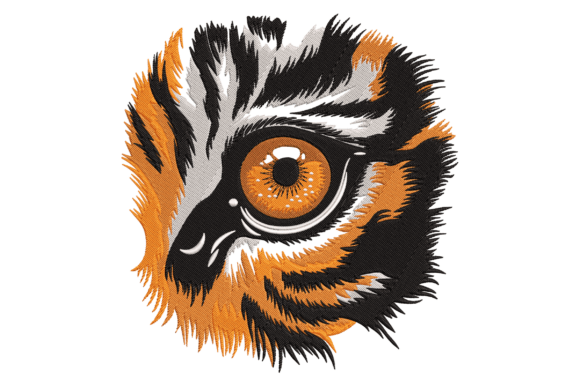
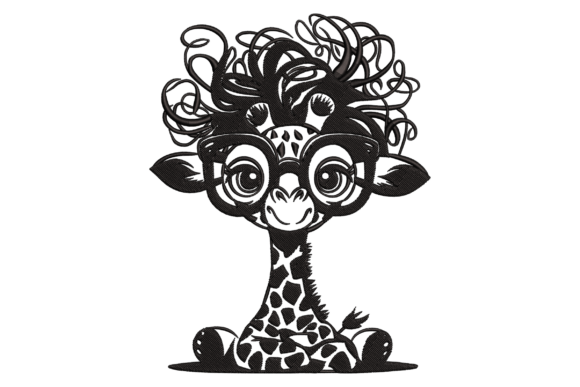
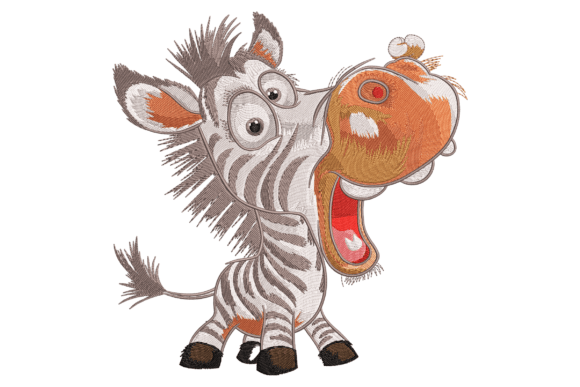
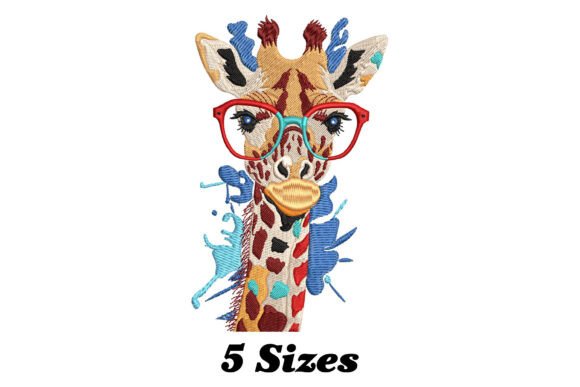
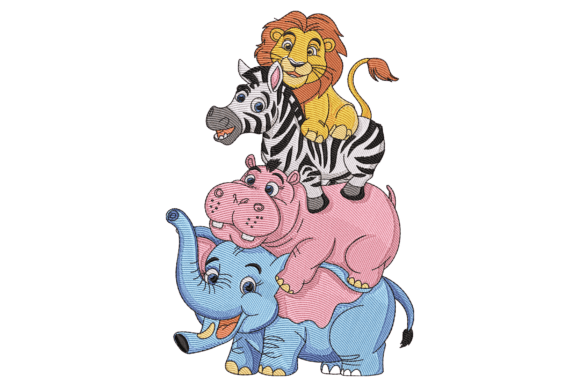
The moment you open the file or view the mockup, the Animals Stacked design exudes a playful, slightly chaotic energy that feels perfect for modern, handmade aesthetics. The layout suggests a vertical stacking of figures, creating a totem-like effect that naturally draws the eye upward. Unlike rigid, symmetrical designs that feel stiff, this piece relies on the charm of the individual animals to create a cohesive whole. It screams "quirky accent," as the description promises, but in a way that feels organic rather than forced.
For designers looking to add a touch of whimsy to their portfolio, this design offers a unique opportunity. It doesn't try to be a realistic wildlife portrait; instead, it leans into stylized shapes that work exceptionally well when translated into thread. The visual weight of the stacked elements suggests that it will hold up well on larger garments, but we need to look closer at how those stitches behave in the real world.
Real-World Application: From Screen to Stitch
I recently put the Animals Stacked design through a rigorous test scenario: preparing a custom embroidered tote bag for a local craft fair. The goal was to create a standout piece that would catch the attention of passersby without looking like mass-produced merchandise. The stacked nature of the design made it an ideal candidate for the front panel of a canvas tote. Because the design is vertically oriented, it creates a striking column of interest that doesn't get lost against the texture of heavy cotton canvas.
In this context, the design shines. The stitch density appears balanced enough to provide coverage without making the fabric too stiff, which is crucial for a functional item like a bag. However, I also tested it on a soft, heathered sweatshirt for a small batch of personalized gifts. On the knit fabric, the design required a bit more care. The stacked animals create a dense area in the center where multiple fill stitches converge. If the stabilizer isn't properly chosen, that central stack could pucker, ruining the clean lines of the animal silhouettes.
This versatility extends beyond bags and sweaters. Imagine this design on a baby onesie, where the stacked motif adds a delightful focal point without overwhelming the small garment. Or consider using it on a kitchen towel for a holiday gift; the quirky theme fits perfectly with a rustic farmhouse aesthetic. For Etsy sellers and small shop owners, the Animals Stacked file offers a strong foundation for a line of coordinated products, from aprons to pillow covers.
Navigating Technical Challenges and Limitations
While the design is charming, every professional designer knows that no file is universally perfect. There are specific scenarios where Animals Stacked requires extra caution. One of the primary concerns is the complexity of the corners and edges. In a stacked arrangement, the animals likely have rounded or detailed outlines that must stitch cleanly. If you attempt to use this design in a very small hoop size, those fine details might get lost or become muddy, especially if the digitizing didn't account for extreme reduction.
Texture is another critical factor. While the design looks great on smooth cotton or linen, applying it to highly textured fabrics like bouclé or thick terry cloth can be risky. The needle might struggle to penetrate the deep pile consistently, leading to skipped stitches or uneven coverage. Similarly, stretchy fabrics like jersey require a firm stabilizer to prevent the stacked pattern from distorting as the fabric moves. Without proper support, the vertical alignment of the animals could lean or warp, breaking the intended visual rhythm.
Dense stitch areas are also worth noting. If the design utilizes heavy fill stitch techniques to define the bodies of the animals, it may not be suitable for delicate items that need to remain soft, such as a newborn's blanket. In these cases, the stiffness of the embroidery could make the fabric uncomfortable against sensitive skin. Additionally, for dark fabrics, you must ensure there is sufficient contrast in your thread colors. A light-colored outline might disappear against a black background, diminishing the impact of the stacked composition.
Practical Notes for Designers and Makers
Before integrating Animals Stacked into your production workflow, there are several essential steps to take. First, always test the design on scrap fabric that matches your final material. This allows you to observe how the stitch density interacts with the specific weave of your fabric and whether the tension needs adjustment.
- Check Thread Color Contrast: Review your color palette in a black-and-white mockup to ensure the design maintains its shape and definition without relying on color alone.
- Hoop Size Verification: Confirm that your hoop size accommodates the full height of the stacked design without cutting off any parts of the animals.
- Stabilizer Selection: Choose a stabilizer that provides enough rigidity to hold the stacked layers flat, especially for curved surfaces like caps or fitted hats.
- Licensing Confirmation: If you plan to sell finished products featuring this design, double-check the license terms to ensure you are permitted to use the digital embroidery file for commercial purposes.
By following these guidelines, you can mitigate risks and ensure that your handmade product meets professional standards. The goal is to create a finished item that customers trust, one that showcases the quirky accent of the design while maintaining structural integrity after washing.
Final Thoughts on Value and Appeal
The true value of Animals Stacked lies in its ability to elevate a simple project into something memorable. Whether you are an Etsy seller looking to expand your catalog or a crafter making a personalized gift, this design offers a versatile tool for creative expression. It bridges the gap between playful art and functional decoration, making it a valuable addition to any design assets library.
However, success depends on execution. The difference between a sloppy-looking patch and a boutique-quality accessory often comes down to the preparation work done before stitching begins. By treating the embroidery project with the respect it deserves—testing, adjusting, and refining—you can unlock the full potential of this charming file. When done right, the Animals Stacked design becomes more than just a collection of stitched shapes; it becomes a signature element of your brand or a cherished keepsake for a loved one.