Eye of the Tiger: A Designer's Review for Craft Fairs
As an experienced embroidery designer who spends weekends setting up booths and weekdays managing digital shops, I know that a single machine embroidery design can make or break your sales. You are not just selling fabric; you are selling a vibe, a story, and a piece of art that fits into someone's life. Recently, I came across the Eye of the Tiger design under the Wild Animals category, and my first thought was immediate: this has serious potential for a handmade market product.
The description promises a "stylish update" with "vibrant and imaginative flair." For a craft fair seller, those words are music to the ears. It suggests a design that is bold enough to catch an eye from across a crowded booth but versatile enough to work on various items. In this review, I am putting myself in the shoes of a boutique maker preparing for a weekend event, evaluating how Eye of the Tiger would perform as a centerpiece for my display.
First Impressions and Visual Appeal
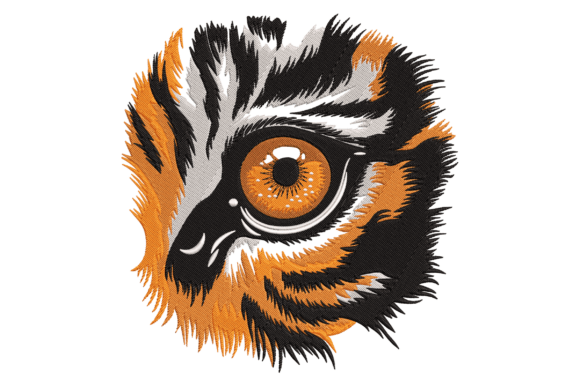
When I first look at a title like Eye of the Tiger, I expect something fierce, modern, and energetic. The description hints at a design that adds flair without being overly complicated. In a sea of farmhouse florals and rustic burlap, a wild animal motif stands out immediately. It feels premium yet accessible. This is not a subtle, tiny accent; it demands attention. That is exactly what you want when customers are walking past fifty other tables looking for something unique.
The visual appeal of this design lies in its ability to be both a statement piece and a decorative element. Whether it features realistic fur textures or a stylized, graphic interpretation, the tiger imagery taps into a universal fascination with nature and strength. For an Etsy seller or a small shop owner, this translates to high perceived value. A simple white tote bag becomes a conversation starter when adorned with this vibrant character. It feels like a gift that says, "You have a strong spirit," which is a powerful emotional hook for buyers.
Product Potential: Where Does It Shine?
To maximize the return on investment for this embroidery file, I need to think about where it will look best. Not all products are created equal. Here is how I see Eye of the Tiger performing across different categories:
- Tote Bag Design: This is the holy grail of craft fair items. A canvas tote with the Eye of the Tiger design creates an instant brand identity. It is large enough to showcase the detail but small enough to be affordable. Customers love bags they can use daily, and a bold animal print ensures it won't get lost in a closet.
- Apron Embroidery: For the home cook or the coffee lover, an apron featuring this design adds a touch of personality to the kitchen. The contrast of the tiger against a solid color apron (like navy or charcoal) looks incredibly professional and makes the item feel like a custom commission rather than mass-produced stock.
- Tea Towel Embroidery: Kitchen towels are impulse buy magnets. A smaller version of the design works perfectly here. It is practical, giftable, and allows customers to own a piece of the design without spending too much.
- Embroidered Patch: If the design has clean edges, it could be cut out and sold as a detachable patch. This opens up a whole new revenue stream for caps, jackets, and denim vests, appealing to a younger demographic.
- Fabric Pouches and Pillow Covers: These items allow for larger, more detailed executions. A pillow cover with the full vibrancy of the tiger can transform a living room, making it a high-ticket item for your booth.
In a physical display, these items create depth. Hanging tote bags next to folded aprons and displaying pillows creates a layered look that draws people in. The Eye of the Tiger acts as the focal point, guiding the customer's eye through the collection.
Production Realities and Selling Strategy
As a designer, I know that the difference between a good product and a great one often comes down to production details. Before I put this into mass production, I need to consider the technical aspects. How easy is the design to understand at a glance? Does it photograph well for online listings? Is it repeatable for batch production?
The answer is generally yes, provided the stitch density is managed correctly. For a craft fair, speed is money. You want a design that stitches up quickly without sacrificing quality. If the Eye of the Tiger design relies heavily on tiny, intricate details, it might lose clarity when stitched on textured fabrics like heavy canvas or thick terrycloth towels. In those cases, a simpler, bolder approach is better.
For online sellers, photography is key. The vibrant colors mentioned in the description must pop in photos. When creating a printable mockup for your Etsy listing, ensure the thread colors are accurate. Darker backgrounds can sometimes mute the vibrancy, so testing on light and dark fabrics is essential. If the design feels too busy, it might overwhelm a small item like a cap, whereas on a large pillow, it will look balanced.
Careful Use Notes for Success
There are specific pitfalls to watch out for with animal motifs. Dense stitch areas can sometimes cause puckering if the wrong stabilizer is used. Tiny details, such as whiskers or individual stripes, may disappear if the hoop size is too small or if the fabric texture is too coarse. Thick fabrics require a firm backing to prevent the design from sinking into the material.
Curved surfaces, like baseball caps, present another challenge. The design needs to be scaled appropriately to fit the curvature without distortion. If the design includes text or very fine lines, it might become illegible on a curved surface. Always test on scrap fabric before committing to a finished product. This step saves time and prevents costly mistakes during a busy craft fair setup.
Furthermore, check the thread contrast carefully. A tiger design on black fabric requires specific thread choices to stand out. Using standard colors might result in a muddy look. Adjusting the thread palette can completely change the mood of the piece, making it look either sleek and modern or warm and rustic.
Designer's Checklist for Commercial Sales
Before you start printing labels and packing boxes, follow this professional checklist to ensure your commercial embroidery business runs smoothly:
- Test on Scrap Fabric: Always run a test stitch-out on the exact fabric you plan to sell. Check for puckering and tension issues.
- Check Thread Contrast: Ensure the thread colors pop against the base fabric. Experiment with metallics or variegated threads for extra flair.
- Review Spacing: Make sure the design fits within your hoop size with adequate margin for the product edge.
- Confirm Hoop Size: Verify that the design dimensions match the intended product size. A 4x4 hoop design won't work on a large pillow case.
- Inspect Stitch Density: High density can cause fabric distortion. Lower the density if necessary for lightweight materials.
- Use the Right Stabilizer: Heavy-duty stabilizers are needed for tote bags, while tear-away works for lighter apparel.
- Create a Real Mockup: Photograph a physical sample, not just a digital rendering, to show true texture and color.
- Compare Fabric Colors: Test on at least three different fabric colors to ensure versatility.
- Confirm Commercial Licensing: Double-check the license terms of the digital embroidery file. Ensure you are allowed to sell finished products made from this design.
The Eye of the Tiger design has the potential to be a standout hit for any creative entrepreneur. It balances boldness with versatility, making it suitable for a wide range of handmade products. By paying attention to production details and understanding how the design translates to real-world items, you can turn this digital asset into a profitable line of craft fair products. Whether you are an Etsy seller looking to expand your catalog or a booth operator trying to attract walk-in traffic, this design offers a vibrant way to engage customers and elevate your brand.