Quirky Horse: A Designer's Review for Small Business Merch
As an experienced embroidery designer who has spent years refining designs for commercial use, I approach every new file with a critical eye. When evaluating Quirky Horse, my focus isn't just on whether it looks cute; it is about how it functions as a brand asset. This design promises to bring a bit of charm and whimsy to your fabrics, but does it hold up under the pressure of real-world business application? After analyzing its potential for patches, uniforms, and custom apparel, here is my professional review.
First Impressions: Personality and Visual Impact
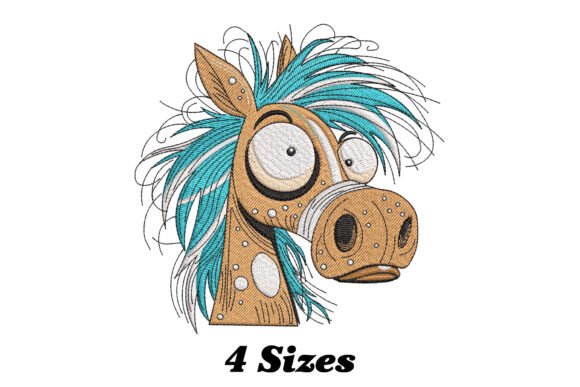
The moment you preview Quirky Horse, the name suggests a playful, approachable aesthetic. Unlike rigid corporate logos, this design leans into a friendly, rustic, or modern handmade vibe. For small business owners looking to humanize their brand, this is a significant advantage. It feels less like a mass-produced stamp and more like a handmade product created with care.
The description highlights its suitability for t-shirts, towels, and home decor, which implies a level of detail that balances well with fabric textures. Whether you run a boutique, a creative studio, or a local bakery, this design offers a fun, whimsical touch that can elevate standard merchandise. It avoids being too stiff or overly decorative, striking a balance that works well for customer gifts and event merch.
Real-World Application for Small Business Merch
Imagine a scenario where a small café or a florist wants to expand their revenue stream through branded goods. How does Quirky Horse perform in these settings?
- Embroidered Patches: This design excels as a standalone patch. The whimsical nature of the horse makes it perfect for adding to denim jackets, tote bags, or even backpacks sold at craft fairs. It serves as a unique identifier that customers will want to display proudly.
- Staff Uniforms and Aprons: For a pet brand or a farm-to-table restaurant, placing this on a chest logo accent or apron embroidery creates an immediate connection with staff and customers alike. It softens the look of work shirts without sacrificing professionalism.
- Caps and Tote Bags: As a cap design or a tote bag design, the playful character stands out against canvas or cotton twill. It acts as a walking billboard for your brand identity, turning everyday items into marketing tools.
- Product Packaging Accents: Adding a small version of this design to product labels or packaging adds a premium feel. It signals to the buyer that attention was paid to the details, enhancing product value.
When used correctly, Quirky Horse transforms generic items into memorable experiences. It is not just decoration; it is a visual cue that reinforces trust and recognition among your clientele.
Strategic Use Cases for Digital Embroidery Files
If you are an Etsy seller or a digital embroidery file buyer, understanding where this embroidery file fits best is crucial. It shines in scenarios requiring a personal touch. For instance, a handmade soap maker could stitch this onto a gift box liner, while a clothing line might use it as a sleeve detail on a limited-edition hoodie. The design's versatility allows it to function as a design asset across various categories, from custom apparel to home decor.
However, success depends on execution. A finished product only reflects well on your business if the stitching is clean and the placement is intentional. This design invites creativity, allowing you to experiment with different thread colors to match your specific color palette.
Potential Pitfalls and Where to Be Careful
Even the most charming designs have limitations when translated from screen to fabric. As a designer, I must warn you about areas where Quirky Horse requires extra caution to maintain quality.
Small Patch Sizes: If you plan to reduce this design for a tiny lapel pin or a miniature patch, be wary. Complex outlines or detailed features may merge together, creating a muddy appearance. Always test the smallest intended size before running a full production batch.
Curved Surfaces and Caps: While great for flat surfaces like tote bags, applying this to the curved front of a cap can distort the geometry. Ensure the digitization accounts for the curve, or consider using it on the side or back of the hat where the surface is flatter.
Fabric Texture and Color: On highly textured fabrics, fine lines might get lost. Similarly, on dark uniforms, light-colored threads may require additional underlay or a higher stitch density to ensure opacity. Without proper contrast, the "whimsical" feel can turn into a dull smudge.
Wash Durability: Items that undergo frequent washing, such as work shirts or aprons, need robust construction. Check the stitch density of the file; if it is too high, the fabric may pucker, and if too low, the design may unravel over time.
Impact on Brand Identity and Customer Trust
In the competitive landscape of small business, visual consistency is key. Quirky Horse contributes to a cohesive brand identity by offering a consistent visual language across all touchpoints. When a customer sees this same charming motif on a tote bag, a uniform, and a product label, it builds familiarity.
This familiarity breeds trust. A well-executed commercial embroidery project signals that you take pride in your work. It elevates the perceived quality of your offerings, making buyers more willing to pay a premium. Furthermore, a design with personality encourages engagement, prompting customers to share photos of their purchases on social media, effectively becoming advocates for your brand.
Professional Designer Notes for Production
Before you commit to a large order of branded patches or merchandise, follow these essential steps to ensure a flawless outcome:
- Test in Black and White: Convert the design to grayscale first to check contrast. If the details disappear in black and white, they will likely struggle on colored fabrics.
- Verify Hoop Size: Confirm the recommended hoop size for the file. Attempting to stitch a design larger than the hoop area can lead to misalignment.
- Check Thread Colors: Review the thread colors assigned in the file. You may need to swap them to match your brand guidelines exactly.
- Inspect Spacing: Look closely at the spacing between elements. Tight spacing can cause the fabric to bunch, while loose spacing might look unfinished.
- Use Proper Stabilizer: Select a stabilizer appropriate for your fabric texture. Heavy-duty stabilizers are often needed for stretchy knits or heavy canvas.
- Create a Mockup: Generate a printable mockup to show clients or stakeholders before production begins. This helps manage expectations regarding scale and placement.
- Confirm Licensing: Always verify the commercial licensing terms associated with the digital embroidery file. Ensure you have the right to sell products featuring this design.
Finally, remember that every design file comes with specific technical requirements. If the provided description does not explicitly state the exact stitch count, file format, or license terms, you must contact the provider or check the documentation directly. Do not assume compatibility; always validate the technical specs to avoid costly errors.
Conclusion
Quirky Horse is a versatile and charming addition to any embroidery designer's toolkit. Its playful nature makes it ideal for businesses aiming to project a friendly, accessible, and high-quality image. From apron embroidery to custom caps, this design has the potential to become a signature element of your brand. By following careful testing protocols and respecting the technical constraints of machine embroidery, you can transform this whimsical concept into a tangible asset that drives sales and strengthens customer loyalty.