Cherry and Coquette Bow Review
I have spent years designing for the digital marketplace, but my true test always happens on the weekend craft fair floor. There is a specific energy when you walk up to a booth that separates the hobbyist from the professional. As an experienced embroidery designer preparing my table for a upcoming market, I recently examined a new design called Cherry and Coquette Bow. My goal was simple: determine if this piece has the "grab" factor needed to stop a passerby in their tracks and convert them into a buyer.
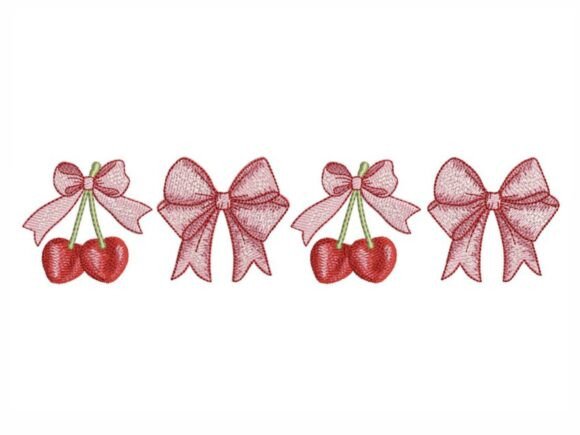
The title alone suggests a blend of sweetness and style. When I first visualized the description—sweet cherries adorned with a delicate coquette bow—I immediately thought of vintage-inspired projects and clothing. It feels soft, romantic, and undeniably charming. But does it translate well into a high-margin handmade product? Here is my honest review of how this machine embroidery design performs when turned into real-world goods.
First Impressions and Visual Appeal
In a sea of generic floral patterns and bold modern typography, Cherry and Coquette Bow stands out because it taps into the enduring popularity of cottagecore and retro aesthetics. The combination of fruit imagery with a fashion-forward bow creates a playful yet elegant vibe. This isn't just a decorative element; it feels like a statement of personality.
From a selling perspective, this design hits the sweet spot between cute and sophisticated. It avoids looking too childish, which makes it appealing to adult buyers who want something unique without sacrificing quality. The visual weight seems balanced, suggesting it could work as a small accent or a larger focal point depending on your production strategy. For a booth display, this kind of charm is essential. Customers are drawn to items that look like they were made with care, and the delicate nature of the bow implies a higher level of craftsmanship.
Product Versatility: What Sells Best?
When I evaluate an embroidery file for commercial use, I immediately start mapping it onto potential products. Cherry and Coquette Bow is incredibly versatile, but some applications will yield better results than others.
- Tote Bags and Market Bags: This is where the design shines. A tote bag serves as a walking billboard for your brand. Placing Cherry and Coquette Bow on a canvas tote gives customers a practical item that looks stylish. The contrast of the cherries against natural cotton or pastel linens would be striking. It fits perfectly with the tote bag design trend seen on Etsy and in boutique shops.
- Aprons and Tea Towels: For kitchen-focused sellers, this design is a dream. An apron embroidered with cherries and a bow evokes a sense of homey comfort. Similarly, on a tea towel, the design adds a festive touch perfect for gifting. These items often sell well as add-ons during checkout, increasing your average order value.
- Caps and Embroidered Patches: If you are targeting younger demographics or streetwear enthusiasts, this design works well on caps. However, you must ensure the hoop size allows for the necessary detail. Alternatively, turning this into an embroidered patch offers flexibility, allowing you to apply it to denim jackets, bags, or beanies later.
- Pillow Covers and Small Pouches: These are excellent for low-cost entry points. A small pouch featuring the Cherry and Coquette Bow can be priced affordably while still feeling premium. Pillow covers allow for larger displays of the design, making them great centerpiece items for a booth table.
Photography and Online Listings
For Etsy sellers and digital sellers, the ability to photograph the product is crucial. This design has strong visual hooks that will pop in photos. The bright red of the cherries and the delicate lines of the bow create depth and texture that cameras love. When creating a printable mockup for your listings, ensure you capture the thread texture. High-resolution images of the stitch density will help online buyers understand the quality of the finished product.
Production Practicality and Selling Strategy
As a business owner, I cannot stress enough the importance of batch production efficiency. Does Cherry and Coquette Bow lend itself to making multiple units quickly? Yes, provided the stitch count is reasonable. Designs that are too complex can slow down your machine and increase the risk of errors. This design appears to have a good balance, likely allowing for steady production runs.
It also functions well as a small shop product line starter. You don't need a massive inventory to launch. Start with a few tote bags and aprons, and gauge customer interest. The Valentine's Day season is a prime time for this theme, but the cherry motif is year-round. It is not strictly limited to holidays, which extends its lifespan as a commercial embroidery asset.
Critical Considerations for Success
Before you commit to mass producing items with this design, there are several technical factors to consider. Even the most beautiful embroidery file can fail if the execution is poor.
Stitch Density and Detail: Look closely at the bow details. Are there tiny stitches that might get lost on textured fabrics? If you plan to embroider on a thick terry cloth towel or a heavily textured fabric, the fine lines of the bow might disappear. In such cases, the design might lose clarity. Always test on scrap fabric first to see how the threads lay down.
Fabric and Color Contrast: The success of this design relies heavily on color choice. Cherries and bows need to stand out. On dark fabric, you may need a heavy underlay or specific thread colors to ensure the design doesn't look muddy. Conversely, on light fabrics, ensure the thread colors are vibrant enough to catch the eye. Checking thread contrast is vital for maintaining the design assets' integrity.
Hoop Size and Stabilizer: Confirm the recommended hoop size before starting. If the design is large, you may need a multi-hooping technique, which increases production time. Using the right stabilizer is non-negotiable. For curved surfaces like caps, a rigid stabilizer is needed to prevent puckering. Without proper stabilization, the embroidery design will look unprofessional, hurting your brand consistency.
Final Verdict for Craft Fair Sellers
Cherry and Coquette Bow is a standout addition to any handmade product collection. Its blend of vintage charm and modern cuteness makes it highly marketable. Whether you are a Cricut and embroidery crafter or a seasoned creative entrepreneur, this design offers a solid foundation for building a cohesive booth display.
To maximize sales, focus on high-quality materials. Pair the design with sturdy canvas or soft linen. Create at least one real mockup to show potential buyers the texture and feel of the work. Remember, customers buy the story behind the item as much as the item itself. This design tells a story of sweetness, nostalgia, and care.
Finally, always confirm the commercial licensing terms before selling finished products. Ensure you have the rights to use the design commercially. By following these guidelines and paying attention to the nuances of machine embroidery, you can turn Cherry and Coquette Bow into a bestseller that brings joy to your customers and profit to your bottom line.