Cheerful Chicken Design Review for Business Merch
As an experienced embroidery designer who has spent years refining brand identity through stitch work, I recently evaluated the Cheerful Chicken design with a specific focus on its viability for small business merchandise. When reviewing any digital asset intended for commercial use, my primary goal is to determine if it can elevate a brand's visual consistency while maintaining professional durability. This review focuses on how this design functions not just as decoration, but as a strategic tool for cafes, boutiques, bakeries, and handmade brands looking to expand their product lines.
First Impressions: Personality and Professional Balance
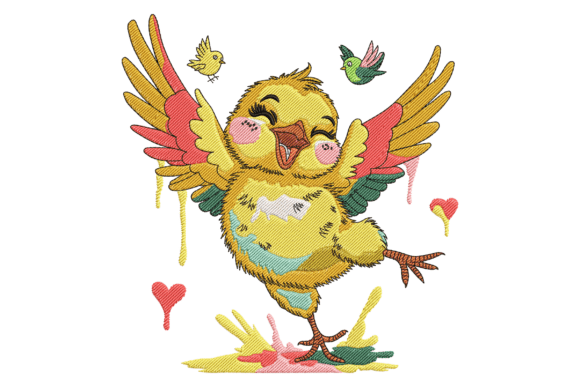
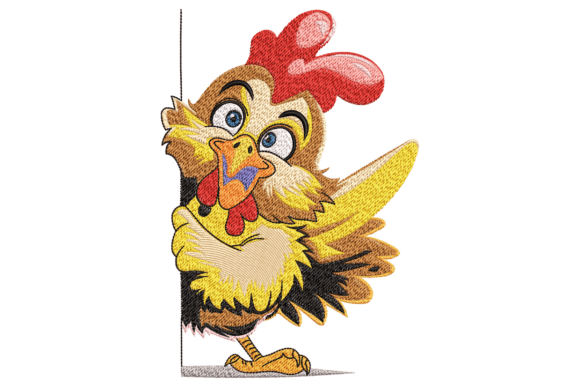
The title Cheerful Chicken immediately suggests a playful, friendly aesthetic that stands in stark contrast to the rigid, corporate logos often seen in the industry. The description promises a "charming update" and "quirky flair," which indicates that this machine embroidery design is best suited for businesses aiming to project warmth, approachability, and creativity. For a boutique selling handmade goods or a local café trying to build community loyalty, this design offers a distinct personality without sacrificing quality.
In the context of Birds as a category, this design likely avoids overly realistic or complex avian features in favor of a stylized, graphic representation. This simplification is crucial for embroidery, where fine details can get lost in the fabric texture. The initial assessment suggests a design that feels handmade yet polished enough to be used on customer-facing items like aprons and staff uniforms. It strikes a balance between being cute and being commercially viable.
Real-World Application in Small Business Operations
The true test of any embroidery file lies in its performance across various production mediums. In my evaluation, Cheerful Chicken shows strong potential for several key applications in a small business ecosystem.
- Embroidered Patches: This design is an excellent candidate for creating sew-on patches. Whether applied to denim jackets, backpacks, or limited-edition tote bags, the character works well as a standalone badge. It allows customers to wear their support for the brand, turning them into walking billboards.
- Staff Uniforms and Aprons: For bakeries or florists, adding a whimsical accent to a standard black or white apron can boost morale and create a cohesive team look. Placing the design on the chest pocket or near the hemline adds a touch of personality that customers appreciate.
- Caps and Headwear: A cap featuring this design could serve as premium event merch or a reward for loyal employees. The central placement on a cap front requires careful consideration of curvature, but the bold nature of the design should hold up well.
- Tote Bag Designs: Tote bags are a staple for Etsy sellers and crafters. This design offers a fun alternative to text-heavy slogans, making the bag instantly recognizable and shareable on social media.
- Product Packaging Accents: Beyond apparel, this design can be stitched onto product tags, hangtags, or even directly onto fabric packaging for artisanal goods, reinforcing the handmade product narrative.
Strategic Considerations and Potential Pitfalls
While the design is charming, a professional must exercise caution regarding scale and surface geometry. Not every application will yield a perfect finished product.
Small Patch Sizes: If you intend to produce very small patches (under 2 inches), the intricate details of the chicken might become muddy. High stitch density in small areas can lead to fabric puckering, especially on lightweight materials. Always verify the minimum safe size before ordering bulk patches.
Curved Surfaces: Embroidering on the curved front of a cap requires precise digitizing to ensure the design lays flat. If the design includes long outlines or detailed feathers, they may distort when stretched over the curve. Testing on a sample hat is mandatory before full production.
Fabric Texture and Color: The effectiveness of the thread colors depends heavily on the base fabric. On dark uniforms, a light-colored chicken might require extensive underlay stitching, which can make the fabric stiff. Conversely, on textured fabrics like heavy canvas, fine lines might disappear. Ensure there is sufficient contrast between the thread and the material to maintain clarity.
Wash Durability: Items that undergo frequent washing, such as kitchen towels or work shirts, need designs that are robust. Designs with too many tiny, isolated stitches can unravel over time. Confirm that the design uses a dense enough fill to withstand industrial laundering cycles.
Impact on Brand Identity and Customer Trust
Using a design like Cheerful Chicken signals to your audience that your brand values creativity and approachability. It moves away from the sterile look of mass-produced goods and embraces a more personal connection. When customers see a high-quality embroidered patch on a tote bag or a crisp logo on an apron, it elevates the perceived value of the item.
This level of detail fosters customer trust. It suggests that the business cares about the presentation of its products. For a creative studio or a local pet brand, this visual consistency helps in building recognition. A well-executed commercial embroidery project becomes a tangible extension of the brand promise, encouraging repeat purchases and word-of-mouth referrals.
Essential Designer Notes for Production
Before integrating this design into your inventory, follow these practical steps to ensure success:
- Test in Black and White: Convert the design to monochrome first. This helps you visualize the stitch density and spacing without the distraction of color choices.
- Verify Hoop Size: Check the recommended hoop size for the design. Ensure it fits your available equipment and the dimensions of the item you are embroidering.
- Select Proper Stabilizer: The choice of stabilizer is critical for preventing distortion. Use cut-away stabilizers for stretchy fabrics like caps and t-shirts to maintain shape over time.
- Check Thread Contrast: Evaluate how the thread colors pop against your specific fabric. Low contrast can make the design invisible, ruining the visual consistency of your brand.
- Create a Mockup: Before cutting expensive fabric, generate a printable mockup to show clients or stakeholders. This allows for approval on placement and sizing before committing to production.
- Commercial Licensing: Crucially, confirm that you have the correct commercial licensing rights. Just because you bought the digital embroidery file does not automatically grant permission to sell products made with it. Read the terms carefully.
- Inspect Spacing: Ensure there is adequate spacing around the design elements to prevent thread breakage and allow for clean trimming.
By treating Cheerful Chicken as a strategic asset rather than just a decorative element, small business owners can leverage its charm to create memorable branded merchandise. Whether used on a custom apron for a bakery or as a unique accent on a tote bag for a craft fair, this design has the potential to strengthen your brand identity and engage buyers effectively.
Remember, the success of any custom apparel project relies on the synergy between the design, the fabric, and the execution. Take the time to test thoroughly, respect the limitations of the medium, and you will find that this cheerful addition to your design assets pays dividends in customer satisfaction and sales.